
7/9/2025 No, President Trump is not planning amnesty for Mexican agricultural workers

6/28/2025 🎼Money♬, Money♬, Money♬

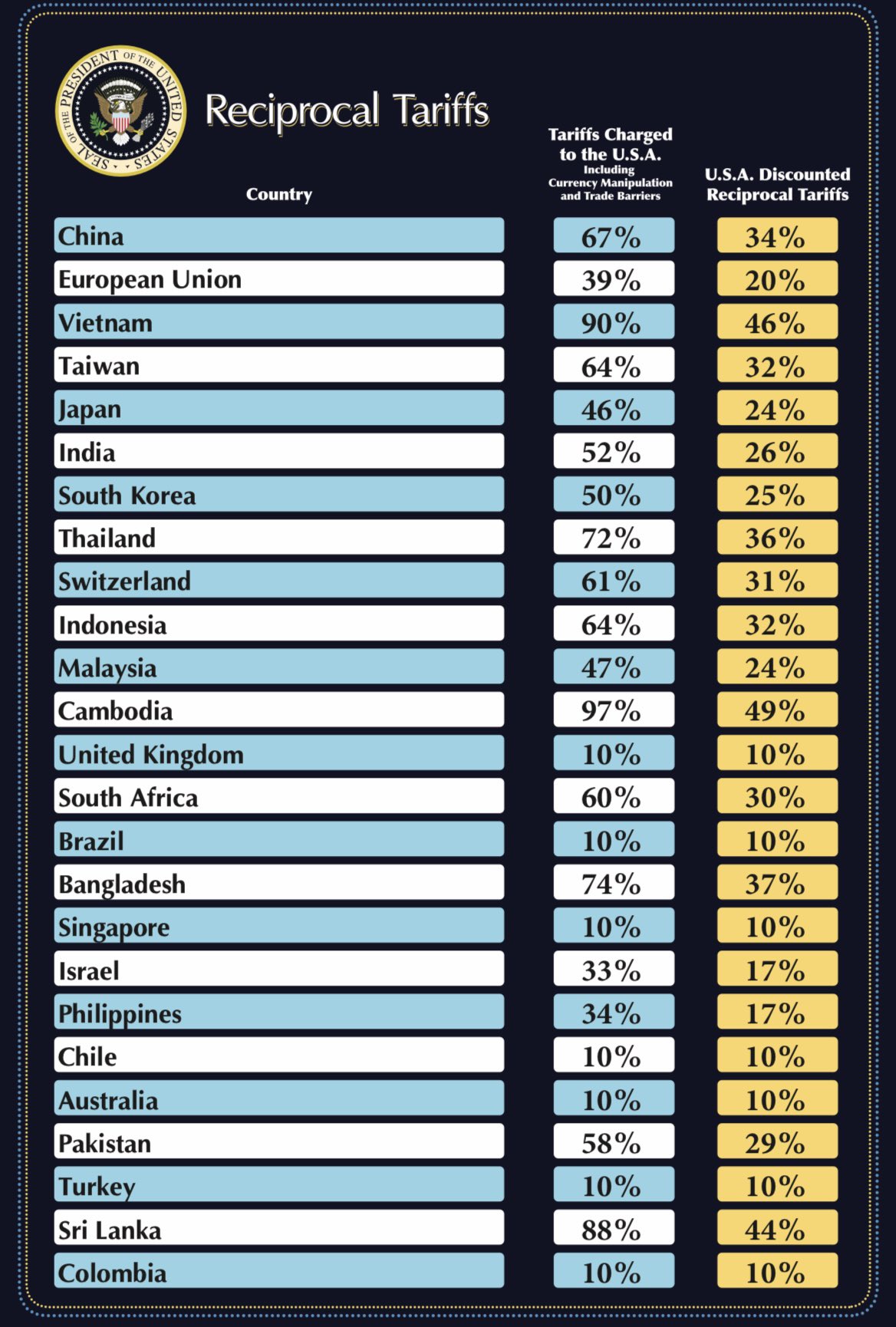
6/2/2025 Why Higher Tariffs Are Essential To Our Freedoms
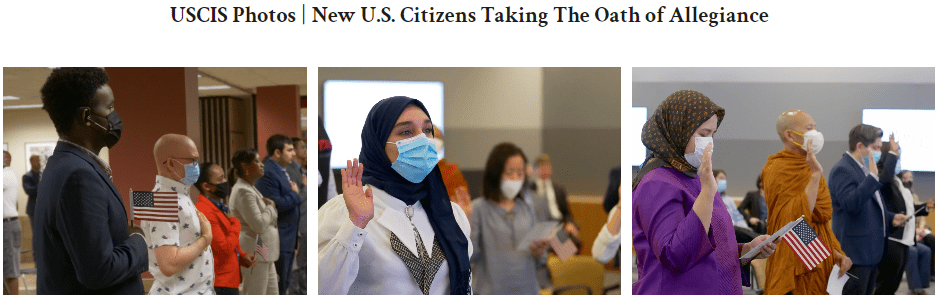
1/23/2025 Birthright Citizenship: Clarified to the Point of a Paused Uncertainty

10/14/2024 Texas Election Law—Two Processes

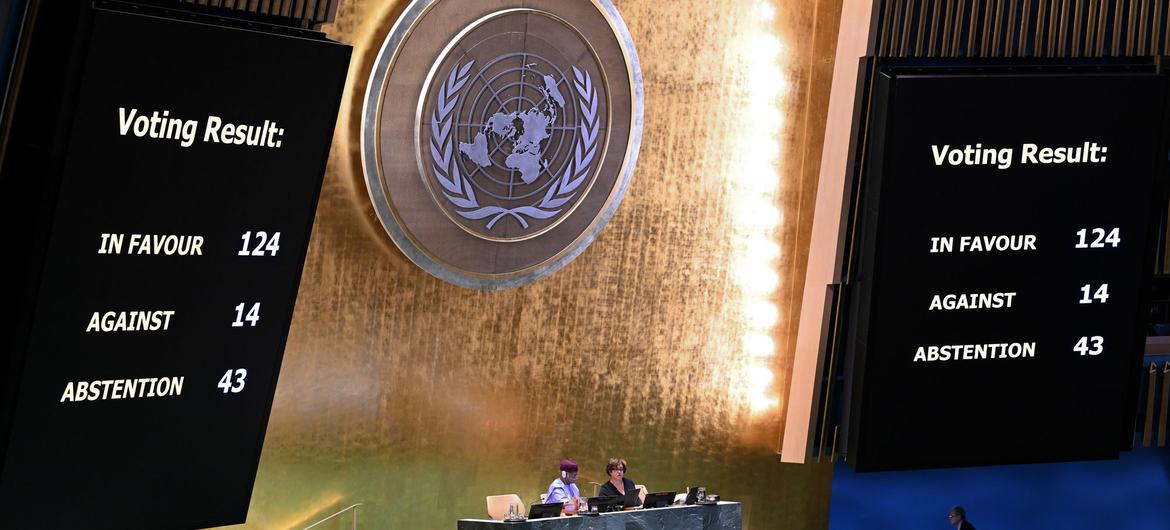
9/19/2024 The United Nations: United for What Cause? This is the Question.
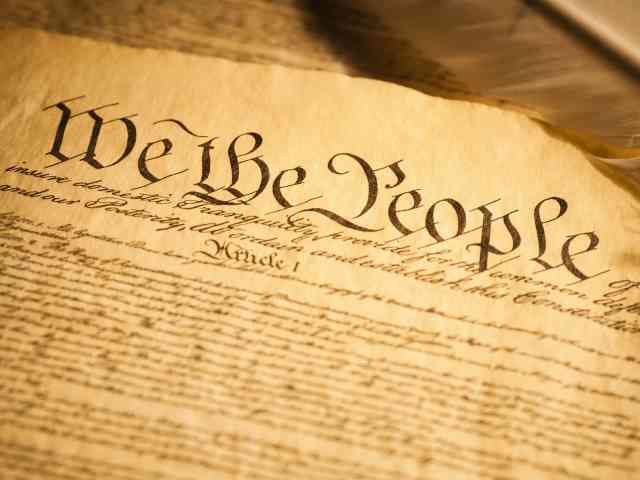
8/12/2024 The U.S. Constitution: Unfit for the Democratic Party
8/11/2024 Dallas Crime: Correlation ≠ Causation

8/7/2024 A Tale of Two Countries, Two Economies, One Common Responsibility

7/24/2024 Equal Protection of the Laws? Yes, you do! ¿Igual protección de las leyes? ¡Sí, es cierto!

The Income Tax
7/8/2024 Why is the Federal Government the Largest Employer in the United States?

6/23/2024 What funded the federal government before the income tax?

6/23/2024 The Federal (Marxist) Income Tax

6/23/2024 God’s Tax: Equal Protection of the Laws

The Supreme Law of the Land
Posted 6//7/2024 Why Sharia can never be established in an American City or State
Posted 4/7/2024 Constitutional Authority for U.S. Federal Government Departments

Adopted 7/4/1776 Declaration of Independence: A Transcription
Adopted 1/15/1777 Articles of Confederation: A Transcription
Published, October 1787-May 1788 Federalist Papers: Primary Documents in American History
The Federalist, commonly referred to as the Federalist Papers, is a series of 85 essays written by Alexander Hamilton, John Jay, and James Madison between October 1787 and May 1788. The essays were published anonymously, under the pen name “Publius,” in various New York state newspapers of the time.
The Federalist Papers were written and published to urge New Yorkers to ratify the proposed United States Constitution, which was drafted in Philadelphia in the summer of 1787. In lobbying for the adoption of the Constitution over the existing Articles of Confederation, the essays explain particular provisions of the Constitution in detail. For this reason, and because Hamilton and Madison were each members of the Constitutional Convention, the Federalist Papers are often used today to help interpret the intentions of those drafting the Constitution.
The Federalist Papers were written to the people of New York City because New York City was the capital of the United States from 1785 to 1790.
Ratified 6/21/1788 The Constitution of the United States of America, as Amended: A Transcription
Ratified 12/15/1791 The Bill of Rights | Amendments I through X
Ratified 1791-1992 Constitutional Amendments 11 through 27
Washington, D.C. Created the Capital City of the United States of America
James Madison argued for a federal district to prevent states from assuming control over the nation’s capital. “…the gradual accumulation of public improvements at the stationary residence of the government would be both too great a public pledge to be left in the hands of a single State, and would create so many obstacles to a removal of the government, as still further to abridge its necessary independence. The extent of this federal district is sufficiently circumscribed to satisfy every jealousy of an opposite nature.” [excerpt, Federalist No. 43, James Madison]
Article I, Section 8 (17th clause) authorized “such District (not exceeding ten Miles square) as may, by Cession of particular States.” The cessions of land by the states of Maryland and Virginia provided the grounds for the District of Columbia. Learn more from District of Columbia; Federal Property and Washington, D.C. – History and Heritage.
Birthed Under Tyranny, Regression Toward Tyranny
Before the American Revolution, the people of the thirteen British colonies lived under the rule of King George III. After many years of war with France, the British treasury was exhausted. The British government imposed heavy taxation on the American colonies. Americans were deprived of the Rule of Law and the rights of British citizens. In brief, the tyranny of King George III was unwelcome.
Most of the American colonists preferred to remain British subjects. American leaders expressed this sentiment to King George, but to no avail.
The imposition of unwarranted taxes and deprivation of rights enjoyed by other British subjects—tyranny— precipitated a declaration of independence from Great Britain.
Outlook
Is Our Republic Deteriorating?
Is the fundamental transformation of America underway now?
Is tyranny in our near future?
Points to Ponder:
 John N. White